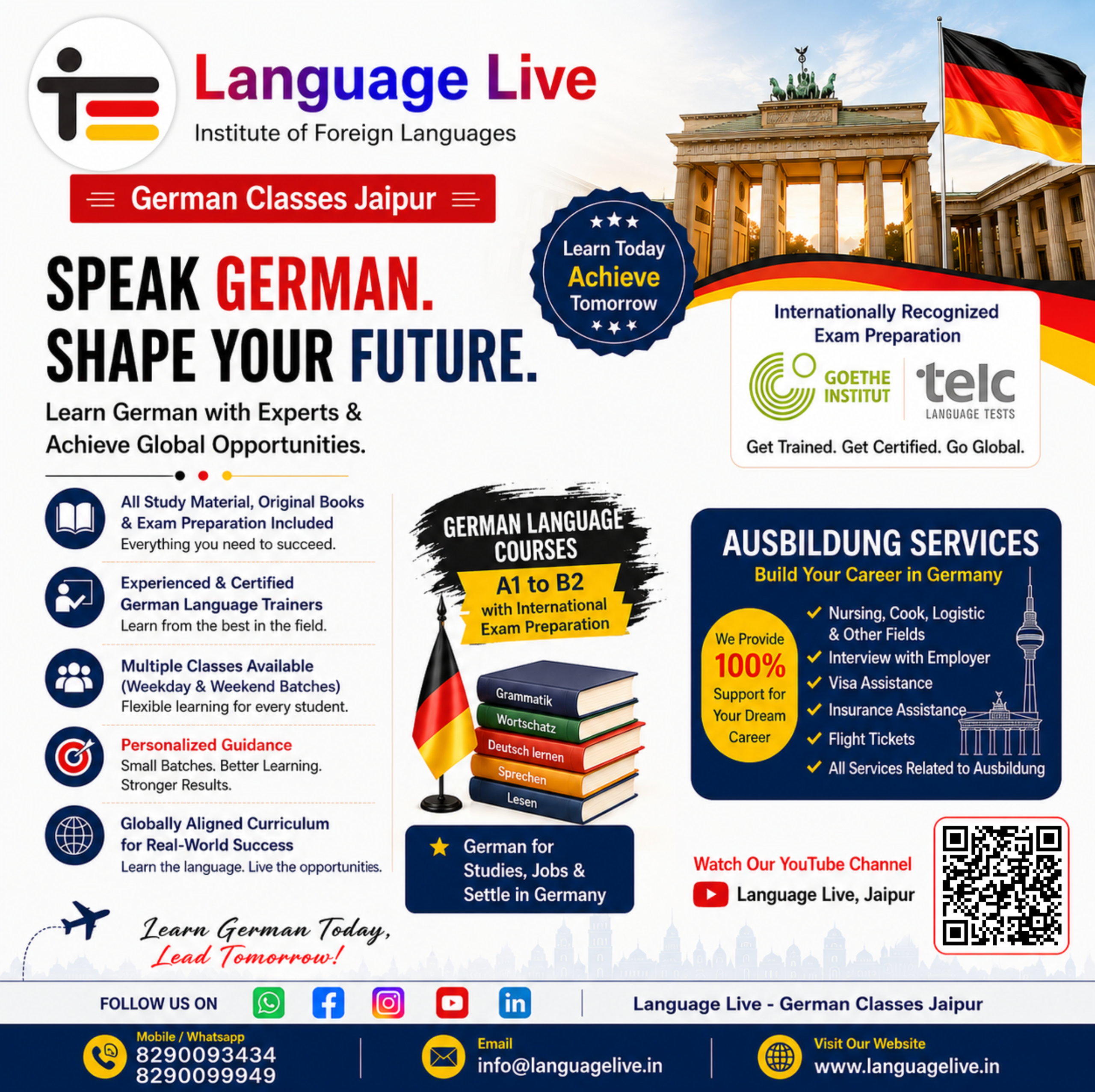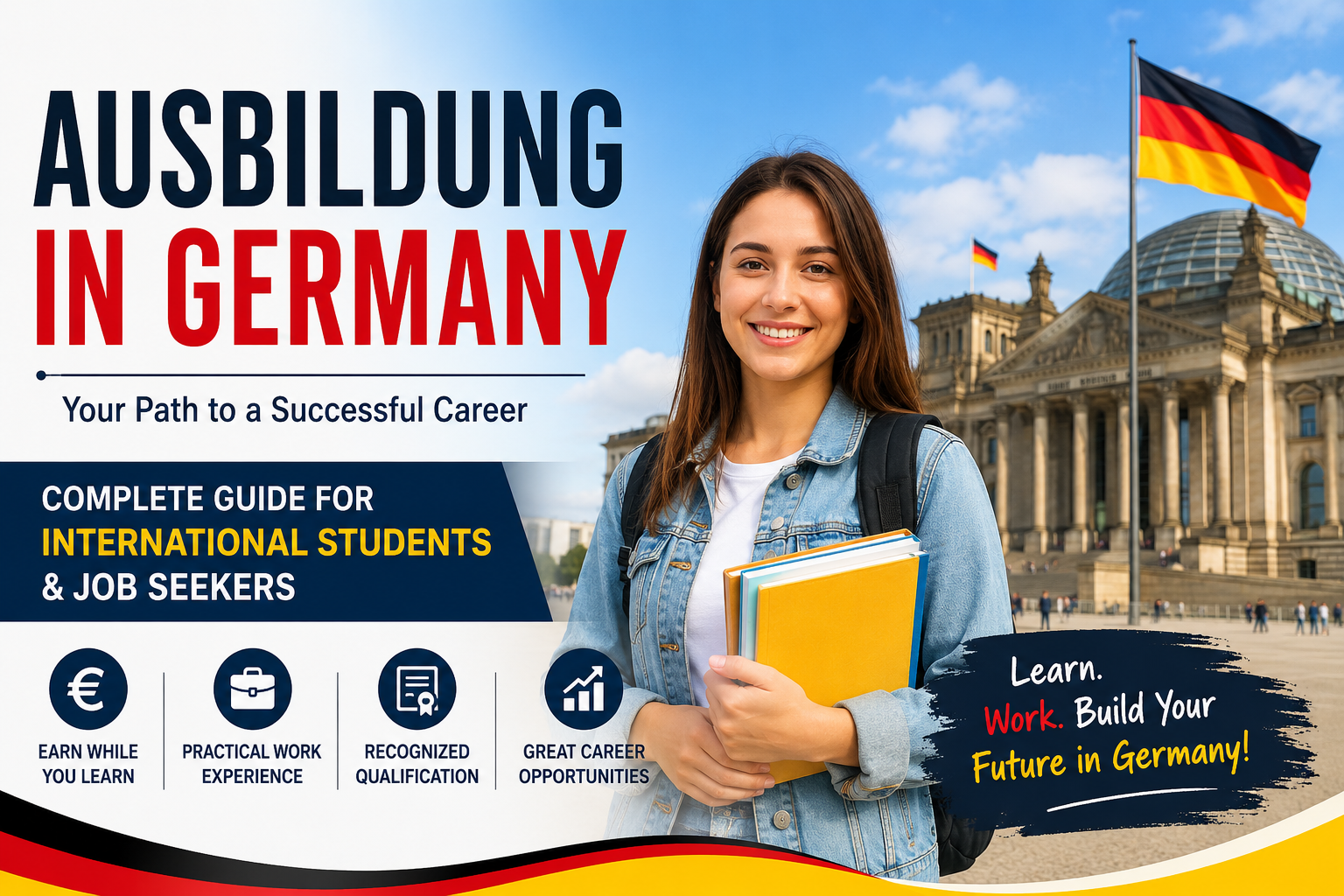
Germany has become one of the most attractive destinations for international students and young professionals seeking quality education and excellent career opportunities. Among the many educational pathways available, Ausbildung in Germany stands out as a practical, affordable, and career-focused option.
Unlike traditional university programs, Ausbildung allows students to gain professional skills through real workplace experience while earning a monthly salary. This unique system has helped thousands of international candidates build successful careers and secure long-term employment in Germany.
In this comprehensive guide, you will learn everything about Ausbildung in Germany, including eligibility requirements, salary expectations, application procedures, visa requirements, benefits, and career opportunities.
What Is Ausbildung in Germany?
Ausbildung is Germany’s vocational training system designed to prepare students for specific professions through a combination of theoretical education and practical workplace training.
The program follows a dual education model, where trainees spend part of their week attending vocational school and the remaining time working for a company. This approach enables students to acquire both academic knowledge and hands-on experience.
Most Ausbildung programs last between 2 and 3.5 years, depending on the profession and industry.
Upon successful completion, participants receive a nationally recognized qualification that significantly increases their employment prospects within Germany and across Europe.
Why Is Ausbildung So Popular?
Germany’s Ausbildung system is highly respected because it focuses on practical skills that employers need. Instead of spending years studying theory alone, trainees learn directly in professional environments.
Some key reasons why international students choose Ausbildung include:
Earn While You Learn
One of the biggest advantages of Ausbildung is that trainees receive a monthly salary throughout their training period. This financial support helps cover living expenses and reduces the burden of educational costs.
High Demand for Skilled Workers
Germany faces a shortage of skilled workers in several industries, creating excellent opportunities for qualified Ausbildung graduates.
Internationally Recognized Qualification
An Ausbildung certificate is highly valued by employers and can open doors to career opportunities in Germany and other countries.
Affordable Career Path
Compared to university education, Ausbildung is often more affordable and provides faster entry into the job market.
Pathway to Permanent Employment
Many companies offer permanent positions to trainees after successful completion of their Ausbildung program.
Types of Ausbildung Programs in Germany
There are two primary types of Ausbildung:
Dual Ausbildung
This is the most common form of vocational training in Germany.
Students split their time between:
- Working in a company
- Attending vocational school
The company pays a monthly training allowance while providing practical experience.
School-Based Ausbildung
Certain professions, especially in healthcare and social services, are taught primarily in vocational schools.
Examples include:
- Nursing
- Physiotherapy
- Occupational therapy
- Childcare professions
Most Popular Ausbildung Courses in Germany
Germany offers more than 300 recognized vocational training programs.
Some of the most popular fields include:
Nursing and Healthcare
Healthcare professionals are in high demand throughout Germany. Nursing Ausbildung programs attract thousands of international applicants every year.
Information Technology (IT)
Technology companies actively seek skilled professionals in areas such as:
- Software development
- IT support
- Network administration
- Cybersecurity
Hotel and Hospitality Management
Germany’s tourism sector offers exciting opportunities for candidates interested in hospitality and customer service.
Automotive Technology
As home to world-famous automobile manufacturers, Germany provides outstanding training opportunities for aspiring automotive technicians.
Mechatronics
Mechatronics combines mechanical engineering, electronics, and automation technologies.
Logistics and Supply Chain Management
Germany’s strong industrial sector creates continuous demand for logistics specialists.
Retail and Business Administration
Business-related Ausbildung programs prepare trainees for careers in management, sales, and customer service.
Eligibility Requirements for International Students
Requirements may vary depending on the profession and employer, but most applicants need:
Educational Qualification
Applicants should have completed secondary education equivalent to a German school qualification.
German Language Skills
Most Ausbildung programs require German language proficiency between:
- A2 Level (minimum)
- B1 Level (commonly required)
- B2 Level (for healthcare professions)
Strong communication skills improve both admission chances and future employment opportunities.
Motivation and Commitment
Employers look for candidates who demonstrate enthusiasm, professionalism, and a willingness to learn.
Valid Visa
Non-EU applicants typically require an Ausbildung visa before entering Germany.
Ausbildung Salary in Germany
One of the most attractive aspects of Ausbildung is the monthly training allowance.
Depending on the profession and employer, trainees can earn between:
- €800 and €1,500 per month
Healthcare, nursing, and technical professions often provide higher salaries.
In many cases, the salary increases with each training year.
Cost of Living During Ausbildung
Living expenses vary depending on the city and lifestyle.
Average monthly expenses include:
- Accommodation: €300–€800
- Food: €200–€350
- Transportation: €50–€100
- Health Insurance: Usually mandatory
Major cities like Munich and Frankfurt are generally more expensive than smaller towns.
Ausbildung Visa for Germany
International students from non-EU countries usually need an Ausbildung visa.
Required documents often include:
- Valid passport
- Ausbildung contract
- Educational certificates
- German language certificate
- Financial proof (if required)
- Health insurance
Applicants should check the latest visa requirements through the German embassy or consulate in their home country.
How to Apply for Ausbildung in Germany
Step 1: Improve Your German Language Skills
Most employers prefer candidates with at least B1-level German proficiency.
Step 2: Prepare Your Documents
Important documents include:
- CV (Lebenslauf)
- Cover letter
- Educational certificates
- Language certificates
- Passport copy
Step 3: Search for Ausbildung Opportunities
You can find vacancies through:
- Company websites
- Job portals
- Government employment platforms
- Recruitment agencies
Step 4: Submit Applications
Apply directly to companies offering vocational training programs.
Step 5: Attend Interviews
Employers may conduct interviews online or in person to assess your suitability.
Step 6: Apply for Your Visa
After receiving an Ausbildung contract, you can begin the visa application process.
Benefits of Doing an Ausbildung in Germany
Choosing Ausbildung offers numerous long-term advantages:
- Paid vocational training
- Real-world work experience
- Internationally recognized qualification
- Strong career prospects
- Opportunity to improve German language skills
- Potential pathway to permanent residency
- High employment rates after graduation
Can You Stay in Germany After Completing Ausbildung?
Yes.
Many graduates receive permanent job offers from their training companies after completing the program.
Once employed, individuals can continue working in Germany and may eventually qualify for long-term residence or permanent residency, depending on current immigration regulations.
Challenges International Students May Face
Although Ausbildung offers many benefits, candidates should prepare for challenges such as:
- Learning German
- Cultural adaptation
- Balancing work and studies
- Adjusting to workplace expectations
With dedication and proper preparation, most trainees successfully overcome these challenges and build rewarding careers.
Future Career Opportunities After Ausbildung
Graduates can pursue various career paths, including:
- Full-time employment
- Advanced vocational qualifications
- Specialized certifications
- Management positions
- Further academic studies
Germany’s strong economy continues to create opportunities for skilled professionals across multiple industries.
Conclusion
Ausbildung in Germany is one of the best options for international students and young professionals who want to gain practical experience, earn while learning, and build a successful career in Europe.
With affordable education, paid training, excellent employment prospects, and internationally recognized qualifications, Ausbildung offers a unique opportunity to transform your future.
Whether you are interested in healthcare, information technology, hospitality, engineering, or business administration, Germany’s vocational training system can provide the skills, experience, and confidence needed to achieve your career goals.
Start your journey today and take the first step toward a brighter future with an Ausbildung in Germany.